Key takeaways
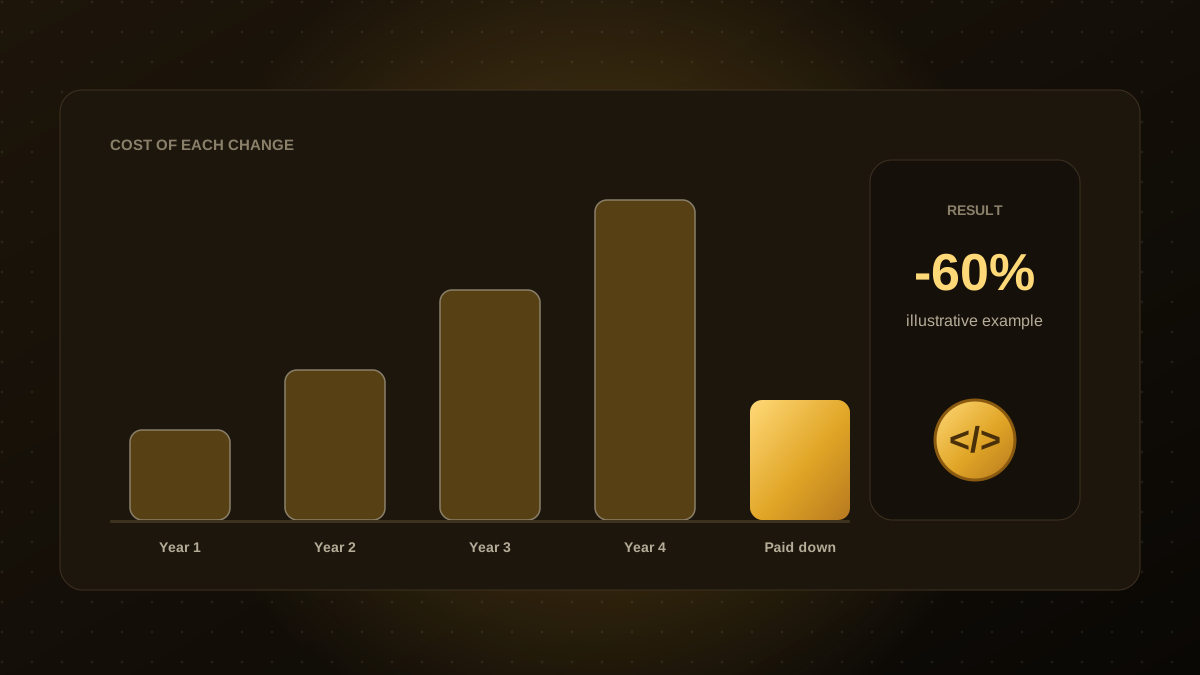
- Technical debt is the accumulated cost of shortcuts and ageing code. Like financial debt, it charges interest every time you build something new.
- Not all debt is bad. Deliberate shortcuts to learn faster are fine if you plan to repay them.
- Measure its impact through delivery signals such as lead time, bug rates and the time new people need to become productive.
- Prioritise debt that sits in code you change often, or that creates security or reliability risk.
- Pay it down continuously with a fixed share of capacity, instead of waiting for a big rewrite.
What technical debt is
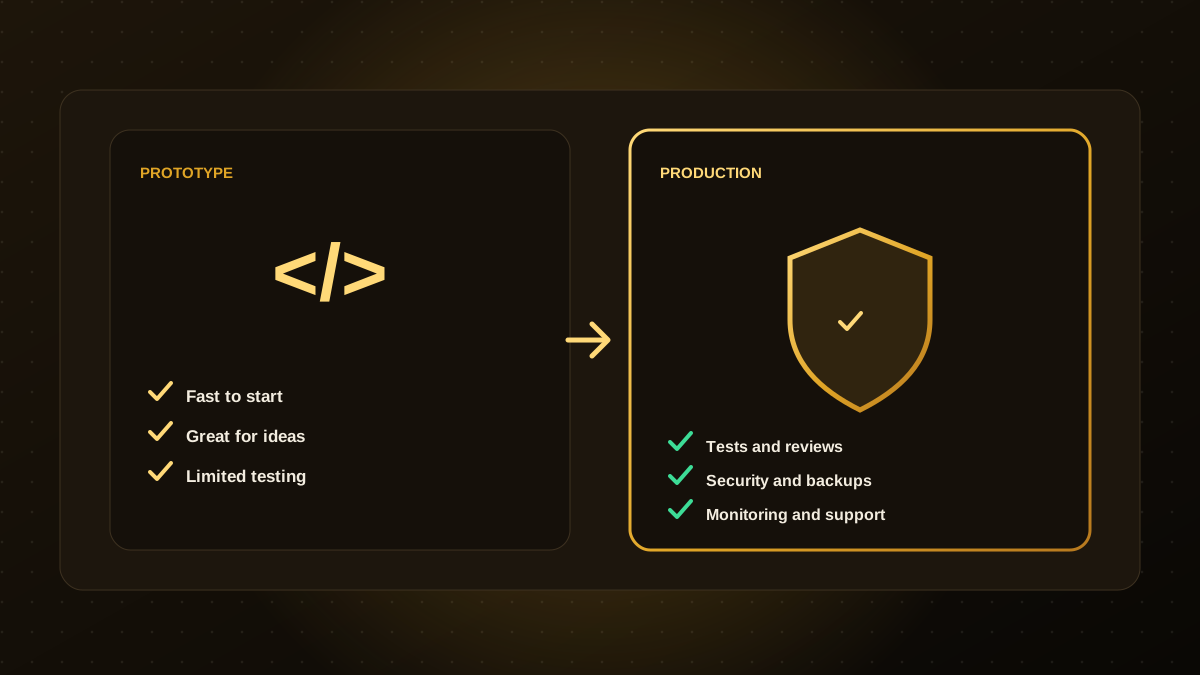
Technical debt describes the future cost created by choices made for speed: quick fixes, missing tests, outdated libraries, tangled code and undocumented decisions. Taking on some debt can be sensible, for example when you are racing to validate an idea in an MVP. The danger is leaving it unmanaged until every change becomes slow and risky.
Signs you are paying interest
- Simple changes take far longer than they used to.
- Fixing one bug creates two more.
- Releases are stressful, rare or avoided.
- Only one or two people understand key parts of the system.
- New developers need months before they can contribute safely.
- Libraries and frameworks are years out of date, with known vulnerabilities.
How to measure it
There is no single number, but a few signals work well together:
| Signal | What it tells you |
|---|---|
| Lead time for changes | How long from idea to production, and whether it is rising |
| Change failure rate | How often a release causes a problem |
| Bug and incident trends | Where quality is slipping |
| Hot spots | Files that change often and are complex, the most expensive debt |
| Dependency age | Security and upgrade risk |
| Onboarding time | How hard the system is to understand |
How to prioritise
- Risk first. Security flaws, unsupported frameworks and fragile single points of failure.
- Change frequency. Debt in code you touch every week costs far more than debt in a corner nobody visits.
- Business impact. Tie each item to a result: faster delivery of a feature, fewer outages, lower support load.
- Effort and payoff. Do cheap, high-payoff items first and plan larger ones deliberately.
How to pay it down without stopping delivery
- Reserve capacity. Many teams set aside a steady share, such as 15 to 20 percent of each cycle, for cleaning up.
- Leave code better than you found it when you touch it.
- Add tests before refactoring so you can change safely.
- Automate upgrades and checks in your pipeline.
- Modernise gradually when a whole system is the problem, using the approach in our legacy modernization guide.
AI-generated code and debt
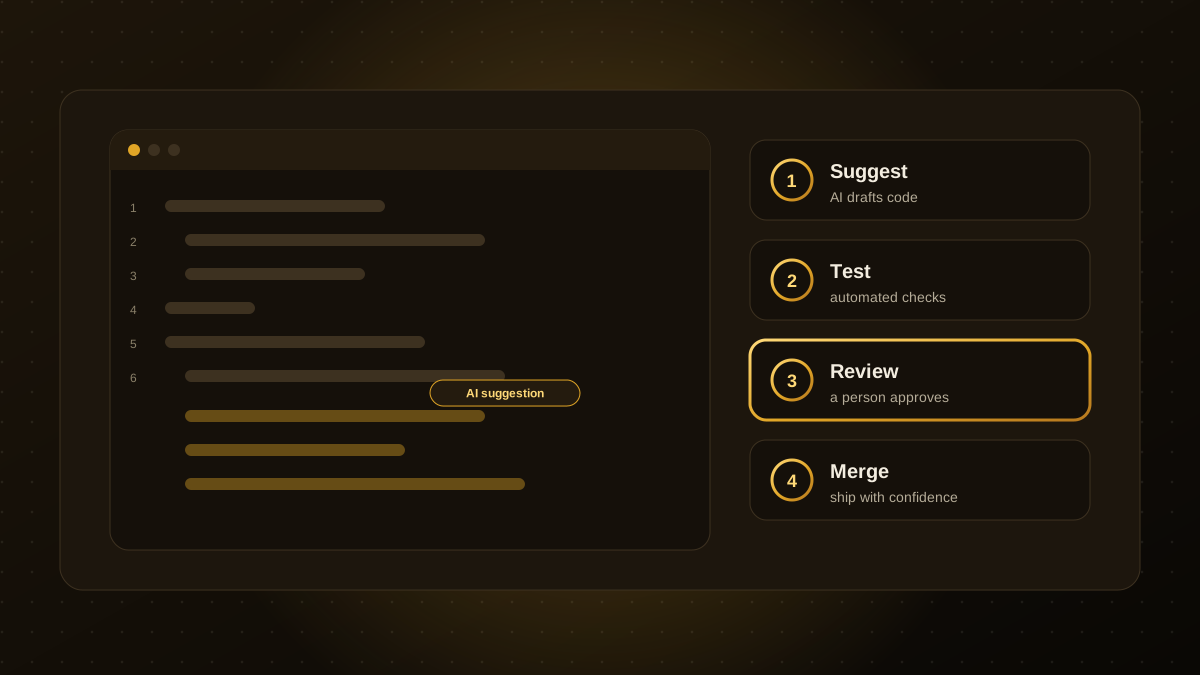
AI tools can create debt quickly if code is accepted without review. Apply the same standards to generated code, as described in our guides to AI coding assistants and vibe coding versus production software. If your codebase has become hard to change, our legacy modernization team can assess it and propose a practical plan.

Qodexify is a remote-first team of senior engineers building web apps, AI agents, workflow automation and websites. Learn more about our legacy modernization service or talk to an engineer.