Key takeaways
- Your pricing model should match how customers get value and how your costs grow.
- Flat subscriptions are simple, per-seat pricing scales with teams, and usage-based pricing scales with consumption.
- AI features add variable costs, which makes pure flat pricing risky and favours usage components or fair-use limits.
- Hybrid models, a base subscription plus included usage, balance predictability for customers with protection for you.
- Test and revisit pricing regularly. Talk to customers before you change it.
Start with your value metric
The most important pricing question is: what do customers pay for? A good value metric rises when the customer gets more value and is easy to understand and predict. For an accounting product, it might be businesses or users. For an email tool, contacts. For an AI assistant, conversations or tasks completed. Choosing the wrong metric creates friction: customers either feel punished for success or can use your product heavily for very little.
The main models
| Model | How it works | Strength | Watch out for |
|---|---|---|---|
| Flat subscription | One price per period for fixed features | Simple, predictable | Heavy users cost you more than they pay |
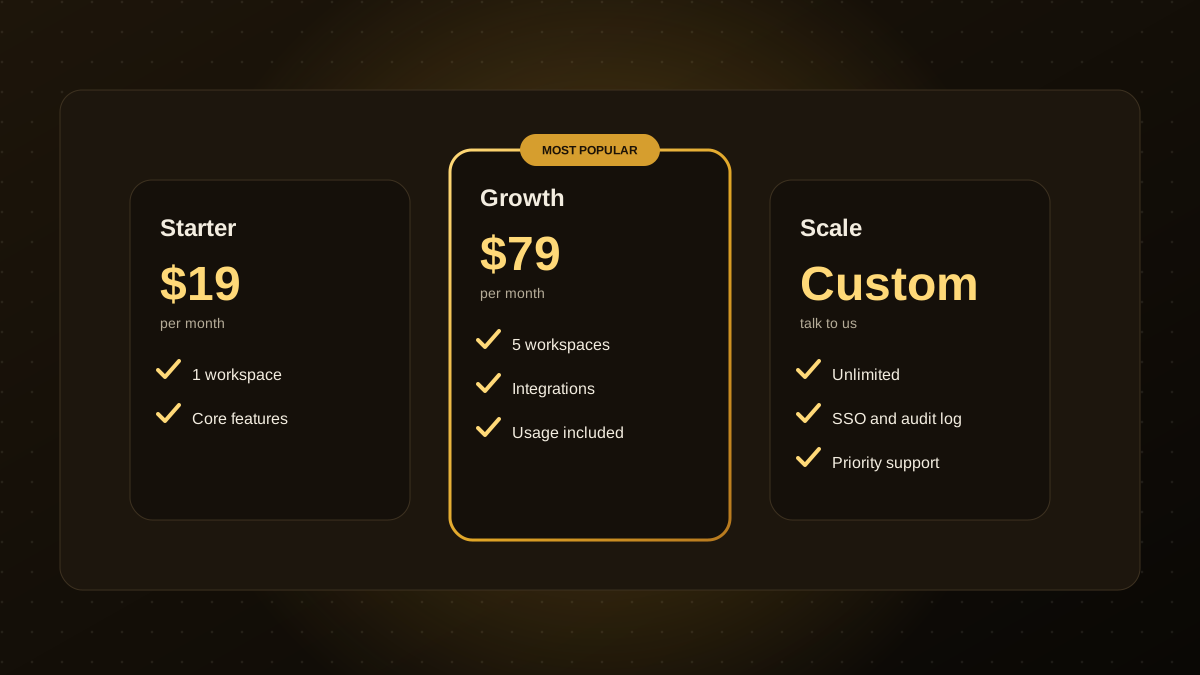
| Tiered plans | Good, better, best packages | Easy to compare, supports upsell | Too many tiers confuse buyers |
| Per seat | Price per user | Scales with team size | Discourages inviting colleagues |
| Usage-based | Pay for what you consume | Fair, low barrier to start | Bills are hard to predict |
| Hybrid | Base fee plus included usage and overage | Predictable and fair | More complex to explain and build |
What AI changes
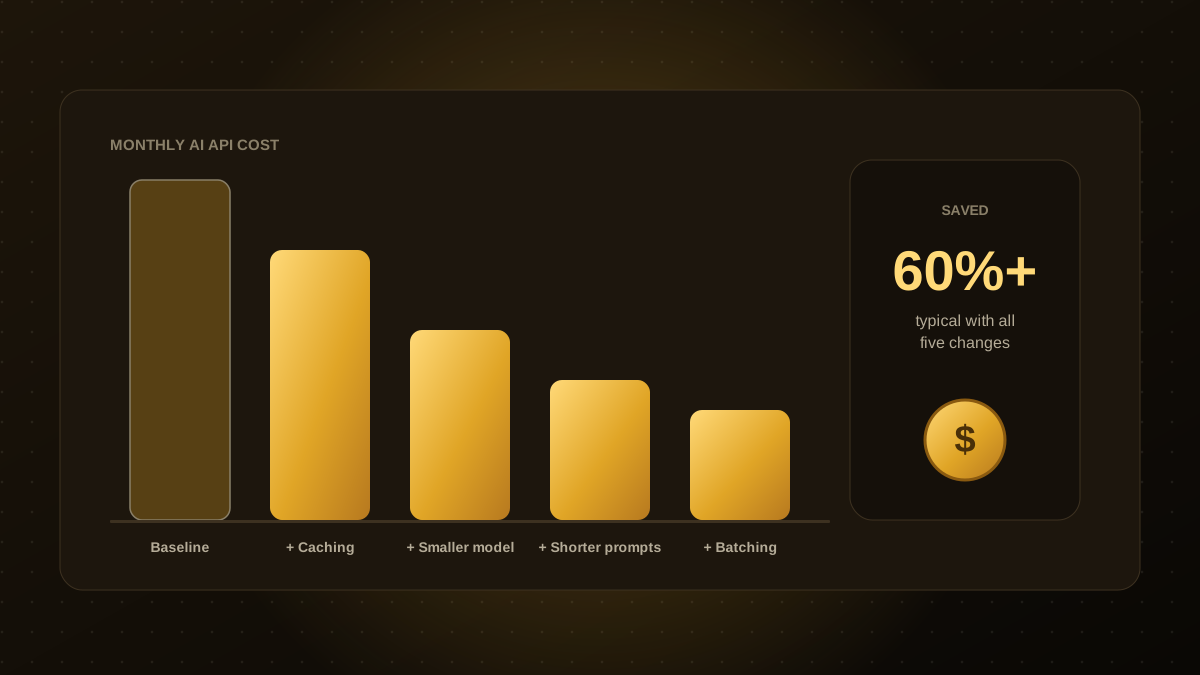
Traditional software costs little to serve one more user. AI features do not: each request has a real cost in model usage. A flat price with unlimited AI use can lose money on your best customers. Common solutions include a monthly allowance of AI actions with a clear top-up price, fair-use limits and routing simple tasks to cheaper models. Our guide to reducing LLM API costs shows how to keep that cost base down.
Practical principles
- Keep it simple. Three tiers and one clear value metric are enough for most products.
- Anchor on outcomes. Describe what each plan lets the customer achieve, not just a feature list.
- Offer a free trial or entry plan so people can experience the value before paying.
- Make limits visible inside the product, so there are no surprise bills or lock-outs.
- Offer annual billing with a discount to improve cash flow and retention.
Test, listen and adjust
Your first price is a hypothesis. Talk to customers about what they would pay and why, watch which plans they pick, and track conversion, retention and margin by plan. Introduce changes for new customers first and give existing customers notice and fair treatment. Pricing deserves the same iteration as the product itself.
Build pricing into the product from the start
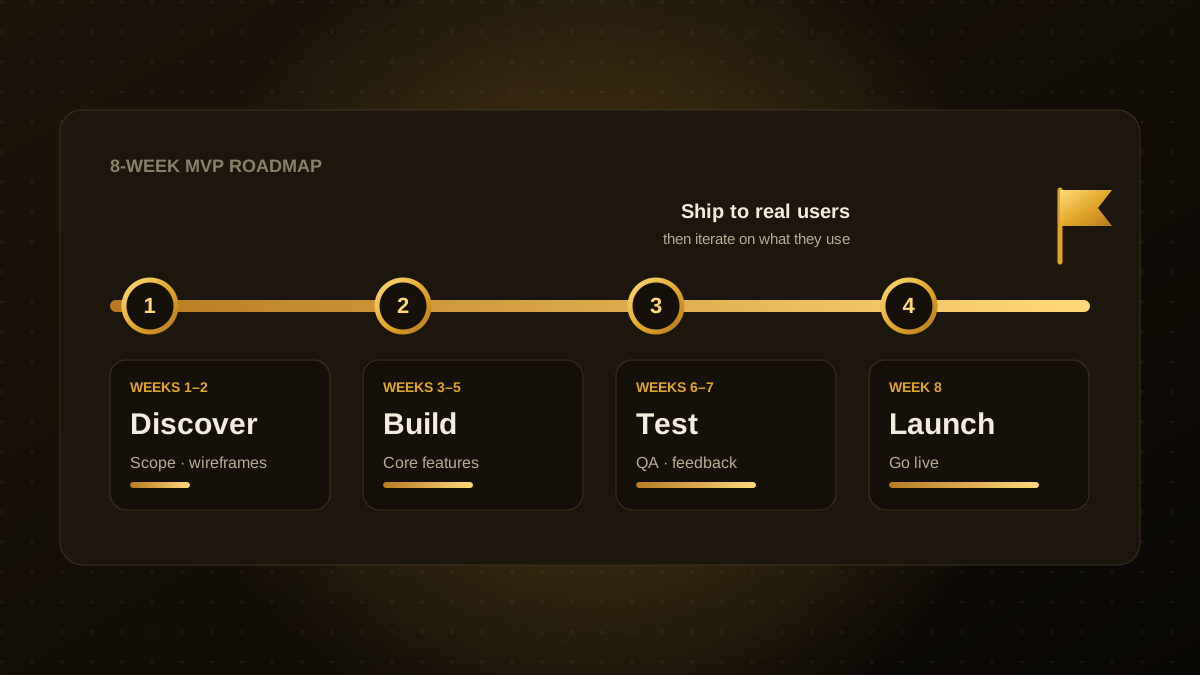
Plans, limits, metering, invoicing and upgrades all need engineering. Designing these early avoids painful rewrites after launch. See our 8-week MVP plan for where billing fits, and our SaaS MVP development service if you would like help building a product with billing from day one.

Qodexify is a remote-first team of senior engineers building web apps, AI agents, workflow automation and websites. Learn more about our SaaS MVP development service or talk to an engineer.