Key takeaways
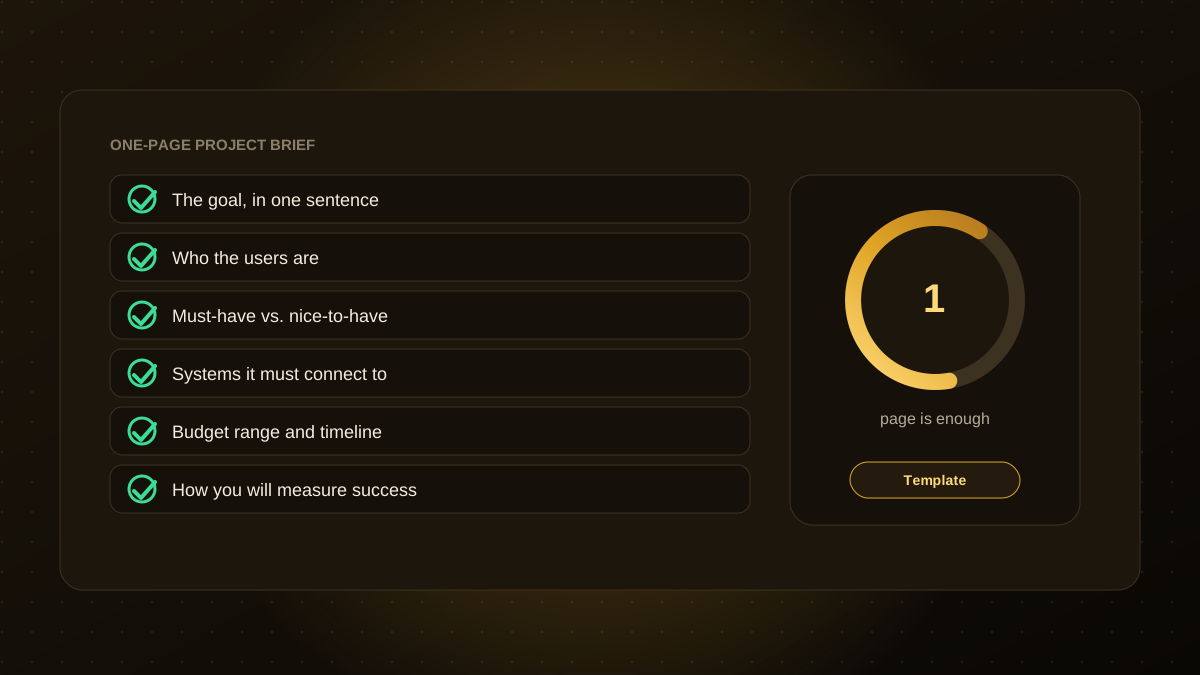
- You do not need a 50-page specification. One page that covers goal, users, must-haves, integrations, budget and timeline is enough to get useful quotes.
- Give a budget range. It lets a good partner propose the best option inside it, instead of guessing.
- Separate must-have features from nice-to-have ones, and say what success looks like.
- Send the same brief to every provider so the quotes are comparable.
- Treat questions from the provider as a good sign. Vague quotes from a vague brief are a warning.
Why a brief is worth an hour
When a request is vague, every provider fills in the blanks differently. The quotes then range wildly, and you cannot tell whether the cheaper one is a better deal or has simply assumed less. A short, clear brief makes quotes accurate and comparable, saves discovery time and shows a provider that you are a serious, organised client.
The one-page template
- The goal. One sentence on the problem you are solving and why now, for example "Cut the time to process supplier invoices from two days to two hours."
- The users. Who will use it, how many and in what situations. Include any customers or partners, not only staff.
- Must-have features. The shortest list that makes the project worthwhile.
- Nice-to-have features. Things you would like later, clearly separated.
- Existing systems and integrations. What it needs to connect to: accounting, CRM, payment, email, spreadsheets or older software.
- Data. What data exists, where it lives and whether it needs to be moved. See our data migration checklist.
- Constraints. Compliance rules, hosting requirements, technology preferences and anything that must not change.
- Budget range and timeline. A realistic range and a date that matters, and why.
- How you will measure success. Time saved, errors reduced, revenue or sign-ups, for example.
- Who decides. The name of the person who can approve decisions quickly.
Examples of good and weak lines
| Weak | Better |
|---|---|
| "We need a platform like Uber for cleaners." | "A booking site where customers pick a cleaner and a time, pay by card and rate the visit. About 40 cleaners at launch." |
| "It should be fast and modern." | "Pages should load in under 2.5 seconds on a mid-range phone." |
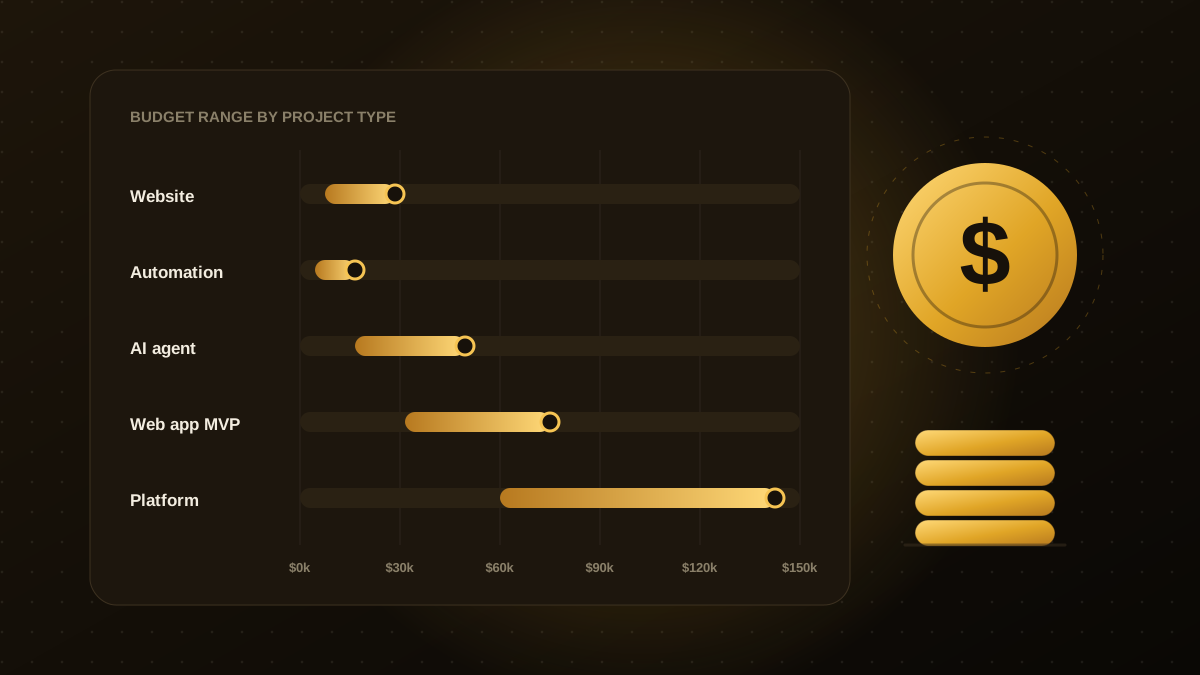
| "Budget is flexible." | "We have $30,000 to $45,000 for version one." |
| "Integrate with our systems." | "Sync customers and invoices with Xero, and send email through our existing provider." |
Sharing a budget
Many buyers hide the budget hoping for a lower quote. In practice, a range helps a good provider recommend what is achievable and flag where the scope and the budget do not match. If you are unsure of the range, try our project cost estimator and read our cost guide.
Comparing the quotes you get back
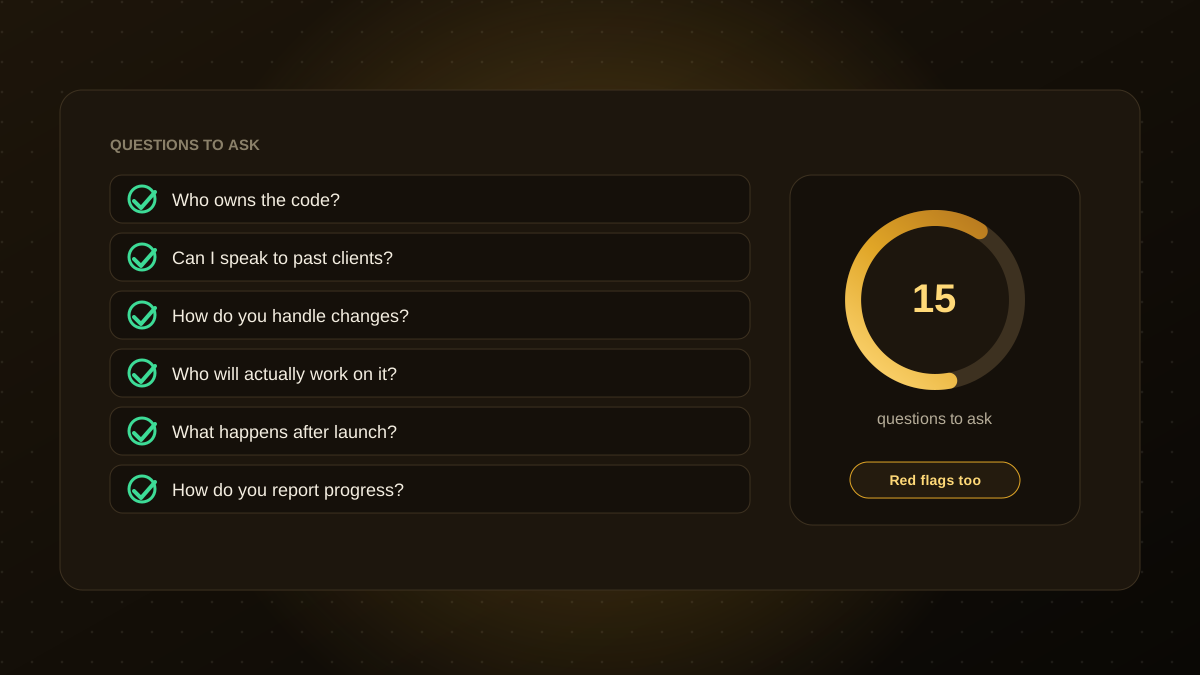
- Same scope? Check what each quote includes and excludes: design, testing, hosting, support and documentation.
- Assumptions. Good proposals list their assumptions and what happens if they are wrong.
- The questions they asked. The better providers push back and ask about your users and goals.
- Who will do the work and how often you will see progress.
- Commercial terms. Code ownership, payment milestones and how changes are handled. See our engagement models.
For more, read how to choose a software development partner. If you would like us to turn your brief into a scoped proposal, our web app development team will give you an honest read within a business day.

Qodexify is a remote-first team of senior engineers building web apps, AI agents, workflow automation and websites. Learn more about our web app development service or talk to an engineer.