Key takeaways
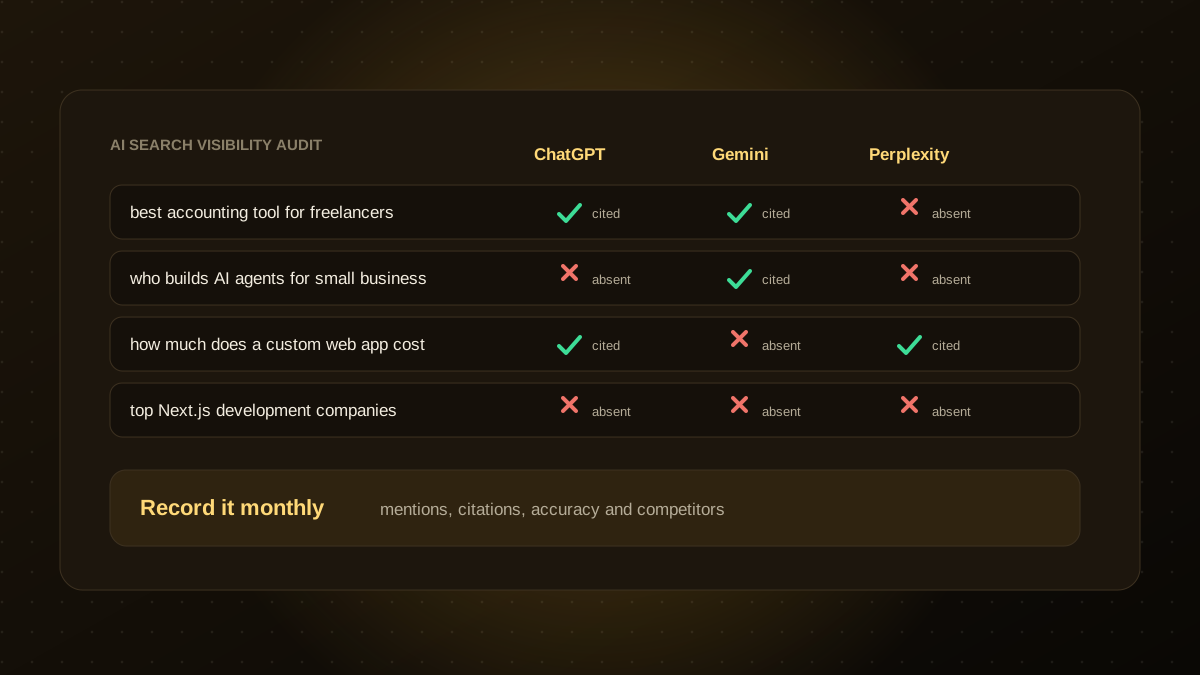
- An AI search visibility audit tests how AI assistants answer the questions your customers ask, and whether they mention or cite you.
- Start with 15 to 25 realistic buyer questions across discovery, comparison and decision stages.
- Answers vary from run to run, so ask each question several times and record patterns, not single results.
- Track mentions, citations, accuracy and which competitors appear, then repeat monthly.
- Use the findings to fix content, structured data and your wider reputation, and to correct anything the AI gets wrong.
What the audit tells you
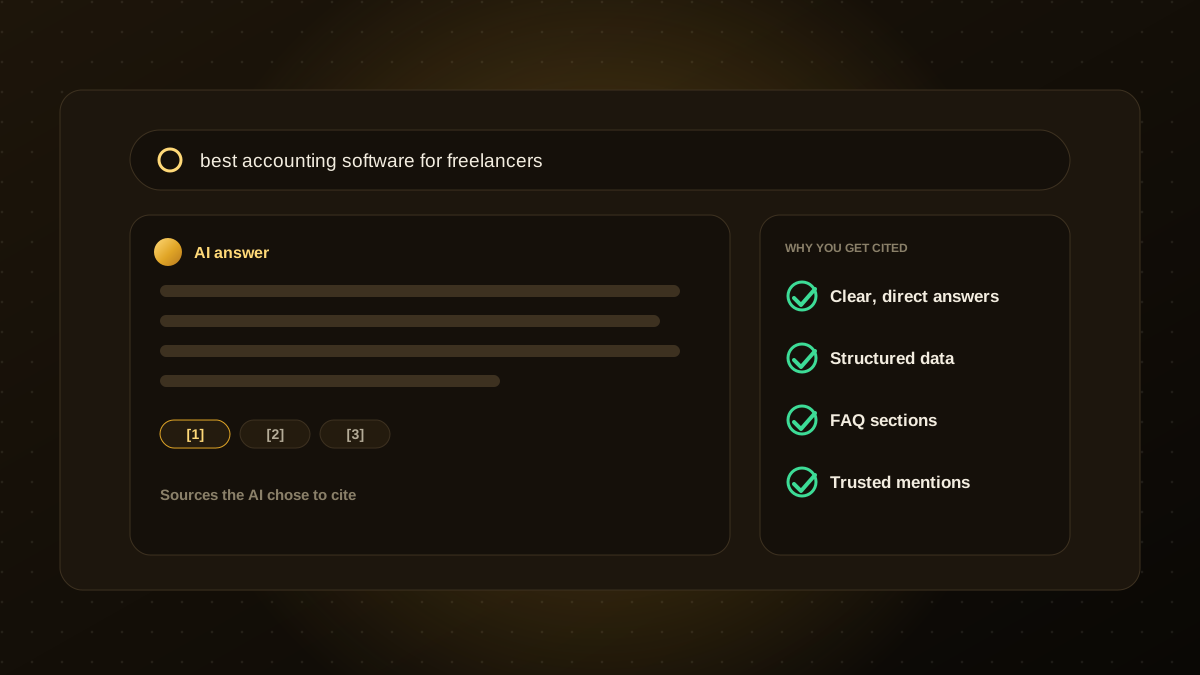
When customers ask an AI assistant a question like "who builds AI agents for small businesses?", the answer may name providers, link to sources or ignore you completely. An audit shows where you stand today, which sources the assistants rely on and what is being said about you. It is the practical follow-up to our guide to generative engine optimization.
Step 1: write the question list
Draft 15 to 25 questions in the words your customers use. Cover three stages:
- Discovery: "best way to automate invoice approvals", "what does a custom web app cost".
- Comparison: "Zapier vs custom automation", "top agencies for AI chatbots".
- Decision and brand: "is [your company] any good", "[your company] pricing", "[your company] vs [competitor]".
Include your own name, your services and the places you serve.
Step 2: run the tests properly
- Use several assistants, such as ChatGPT, Gemini and Perplexity, and the AI summaries in search where available.
- Use a clean session where you are signed out or in a private window, so your own history does not bias the answer.
- Ask each question several times, on different days, because answers change.
- Save the full answer and any sources it cites, with the date.
Step 3: record what you see
| What to record | Why it matters |
|---|---|
| Mentioned or not | Basic visibility for the question |
| Cited with a link | A link can send traffic and signals trust |
| Position and wording | Whether you appear as a top recommendation or an afterthought |
| Accuracy | Wrong prices, services or locations need correcting at the source |
| Competitors named | Who is winning the question and why |
| Sources used | Shows which sites to improve or earn mentions on |
Step 4: turn findings into actions
- Not mentioned at all. Add direct, specific answers to the question on your site, strengthen your service pages and earn mentions on the sources the assistants cite.
- Mentioned inaccurately. Fix your own pages first, then profiles and directories. Keep facts about your business consistent everywhere.
- Cited from a weak or old page. Update it, add structured data and make the answer clear near the top.
- Competitors dominate. Look at what their cited pages offer that yours do not, such as original data, comparisons or clear pricing.
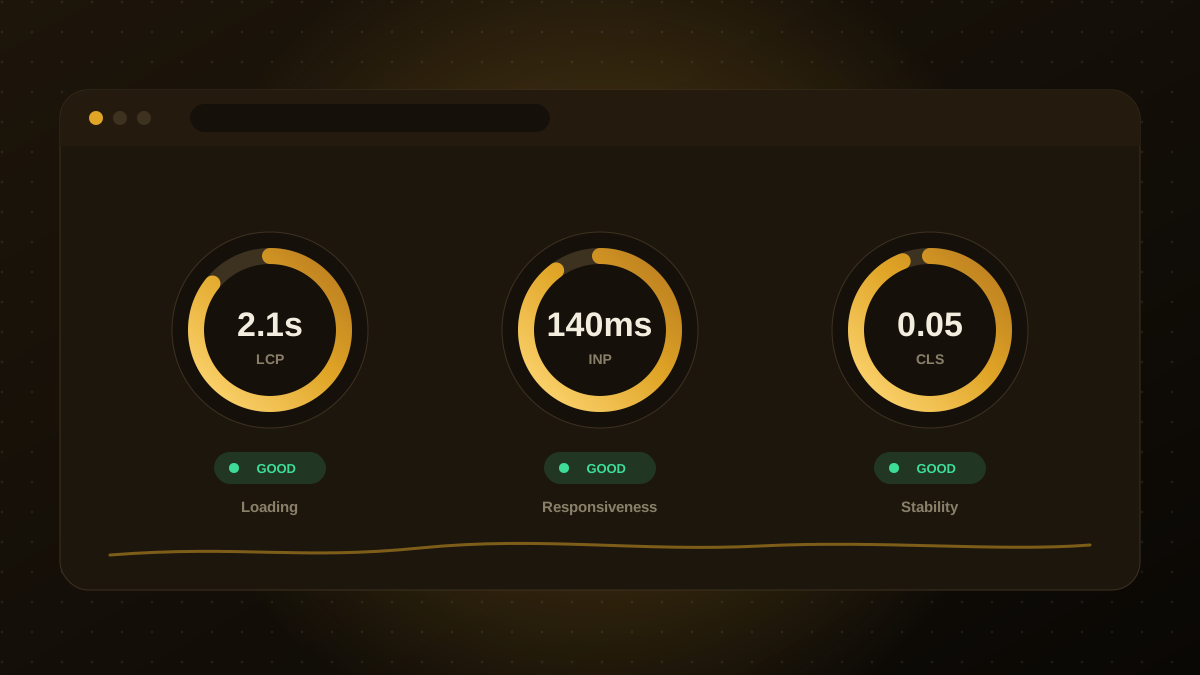
The technical foundations still matter: speed, crawlability and clean structure, as in our Core Web Vitals checklist. Also make sure you are not blocking AI crawlers by accident.
Step 5: repeat and be realistic
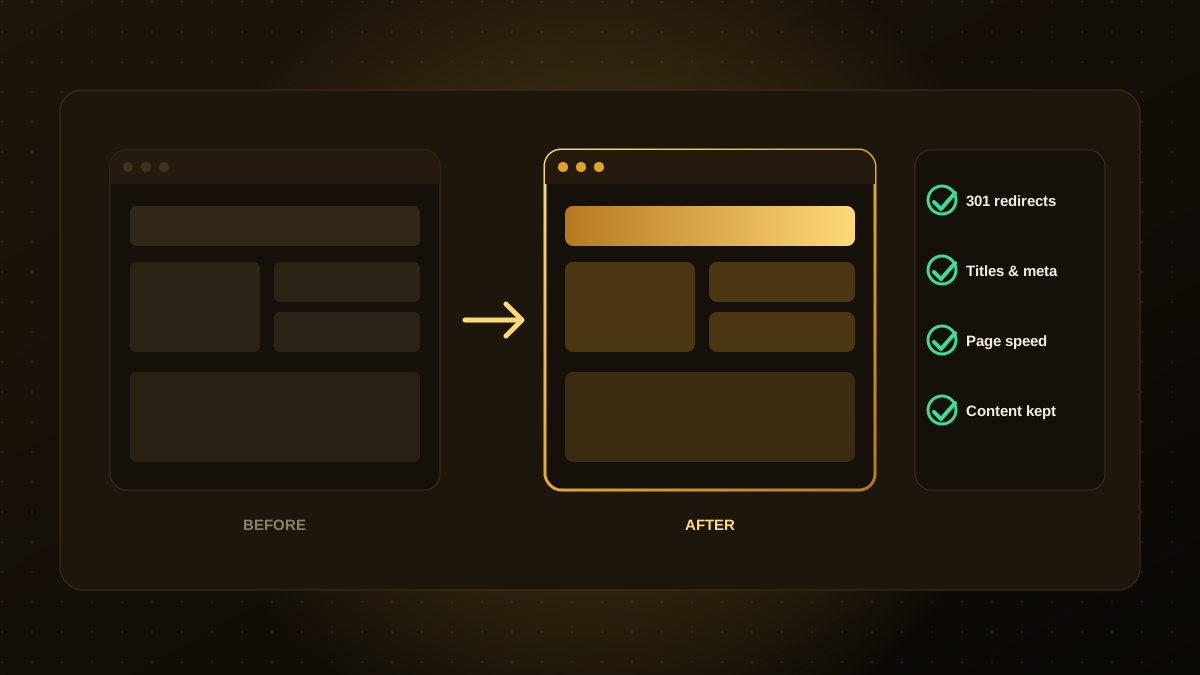
Run the audit monthly and compare trends instead of single results. Paid tools can automate the testing, but many make strong claims, so check how they work and judge them by your own results. No one can guarantee that an AI assistant will mention you, but a clear, consistent and well-sourced presence improves the odds. If you would like an audit and a prioritised fix list, our website development team can run one and update your site accordingly. A redesign is also a chance to build this in, as described in our redesign SEO checklist.

Qodexify is a remote-first team of senior engineers building web apps, AI agents, workflow automation and websites. Learn more about our website development service or talk to an engineer.