Key takeaways
- An AI voice agent holds a natural spoken conversation with callers and can take actions such as booking, updating records or routing to a person.
- The best use cases are high-volume, repeatable calls: appointments, order status, simple enquiries and after-hours cover.
- Latency, accents, noisy lines and interruptions are the main quality challenges, so test with real recordings.
- Always offer an easy path to a human and tell callers they are speaking to an AI.
- Check recording, consent and data rules for the countries you operate in before launch.
What a voice agent is
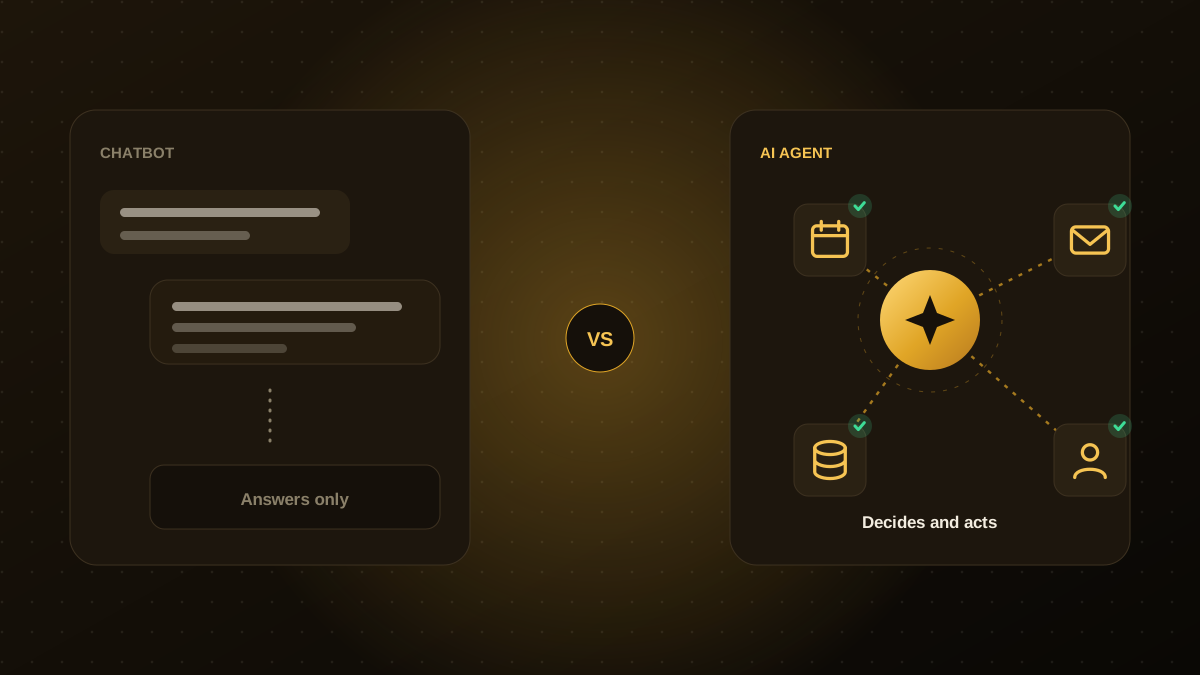
An AI voice agent answers or makes phone calls and speaks naturally with the person on the other end. Behind the scenes it converts speech to text, uses a language model to decide what to say and do, and converts the reply back to speech, all fast enough to feel like a conversation. Unlike old phone menus that say "press 1 for sales", callers can simply say what they need.
Where voice agents work well
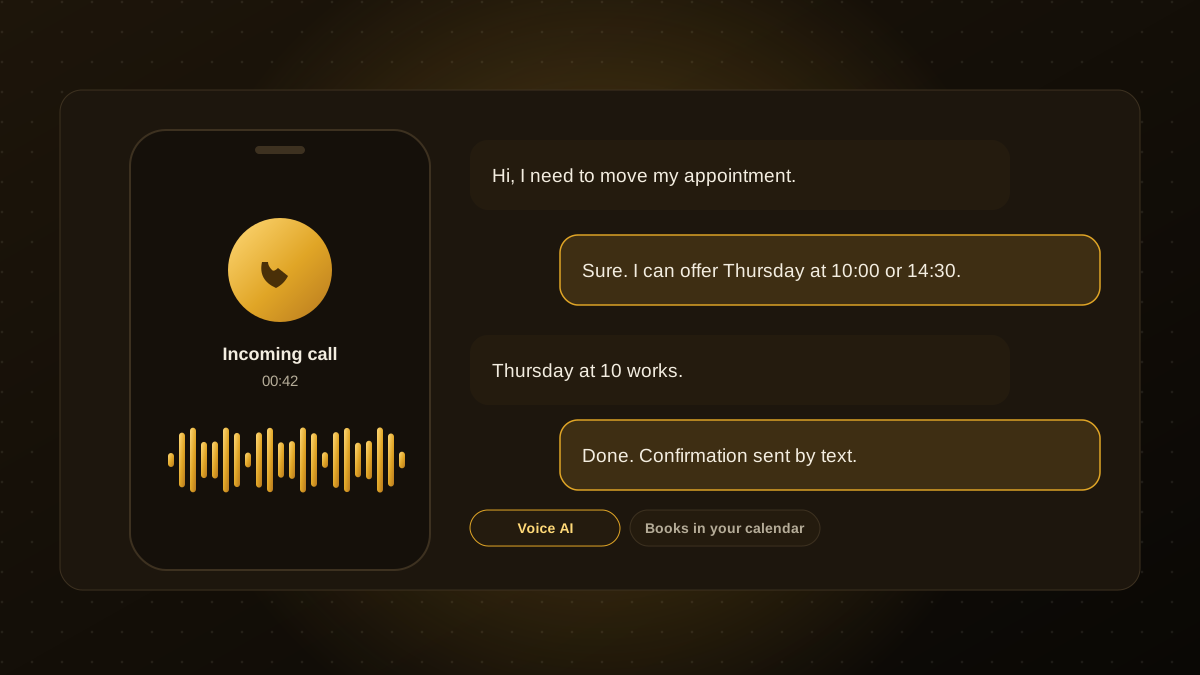
- Appointment booking and rescheduling for clinics, salons, home services and repair shops.
- After-hours and overflow calls so no enquiry goes to voicemail.
- Order status and simple support that look up an order or account and answer.
- Lead qualification that asks a few standard questions and passes warm leads to sales with a summary.
- Reminders and follow-ups such as appointment confirmations and payment nudges, where the call is permitted.
Where to be careful
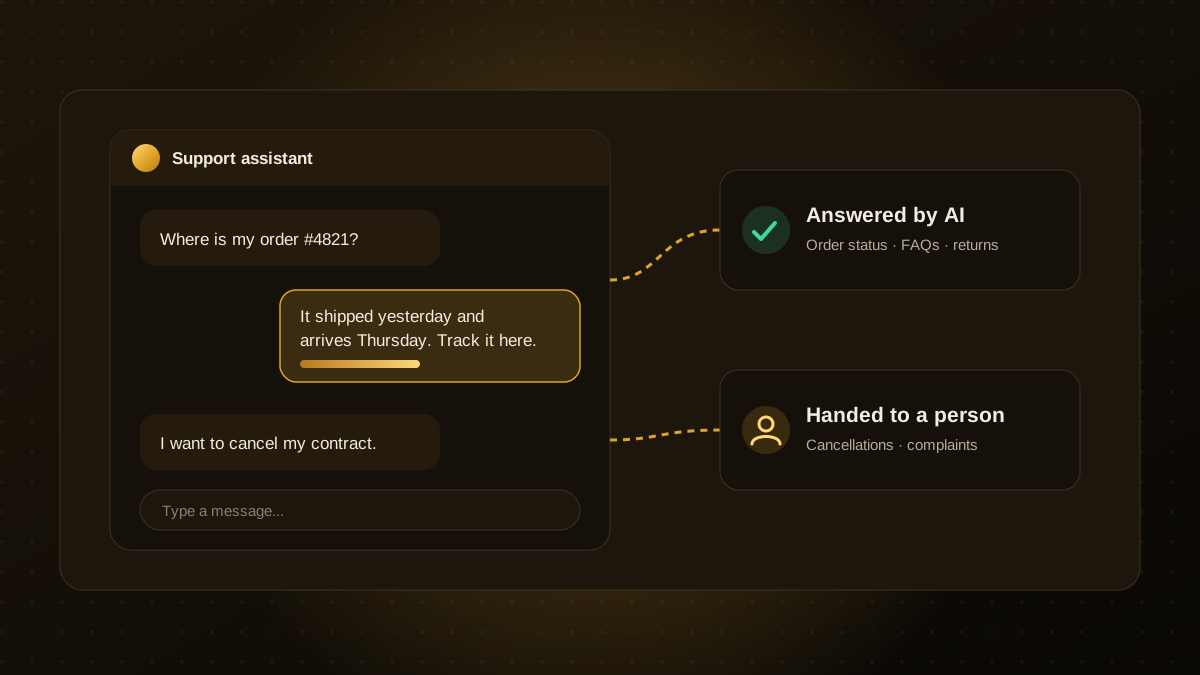
Keep people on complex, emotional or high-stakes calls: complaints, cancellations, medical or legal advice, and large financial decisions. Design the agent to recognise these moments and hand over smoothly, passing along a summary so the caller does not have to repeat themselves.
What affects quality
- Latency. Long pauses make callers talk over the agent or hang up. Aim for quick turn-taking.
- Interruptions. People interrupt. The agent must stop speaking and listen.
- Accents, noise and names. Test with real call audio, not just clean recordings, and confirm spellings and numbers by reading them back.
- Grounded answers. Connect the agent to your real schedule and policies so it never invents availability or terms.
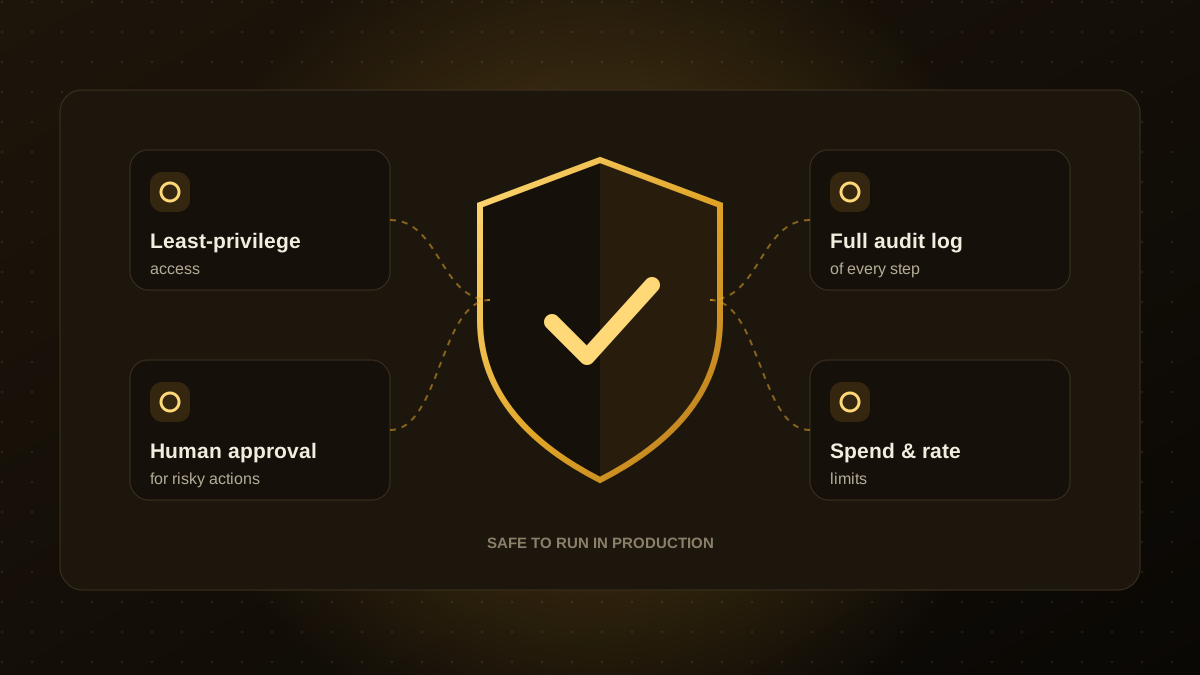
- Clear limits. Decide what it may do alone and what needs a person.
What it costs
Costs usually have two parts: a one-off build covering design, integrations with your calendar or CRM, voice tuning and testing, and ongoing running costs per minute of conversation for speech, the language model and telephony. For many businesses, the comparison that matters is the cost of missed calls and staff time spent on routine calls. Use a simple model like the one in our guide to calculating automation ROI to decide whether the numbers work.
Compliance and trust
- Disclose that the caller is speaking to an AI at the start of the call.
- Get consent where call recording or transcription is involved, according to local rules.
- Protect data. Do not capture card numbers in a transcript unless you have a compliant process.
- Keep logs so you can review calls and fix mistakes.
Regulations differ by country and by the type of call, so confirm the rules that apply to you. If you are considering a voice agent, our AI voice agent development team can scope a pilot with you.

Qodexify is a remote-first team of senior engineers building web apps, AI agents, workflow automation and websites. Learn more about our AI voice agent development service or talk to an engineer.