Key takeaways
- An AI knowledge base uses your own documents to answer questions, with links to the sources it used.
- The quality of the answers depends far more on your content than on the AI model.
- Start with one well-owned source and a list of real questions, then expand.
- Respect permissions, so people only get answers from documents they may see.
- Plan for maintenance: stale or duplicated content produces stale or contradictory answers.
What you are building
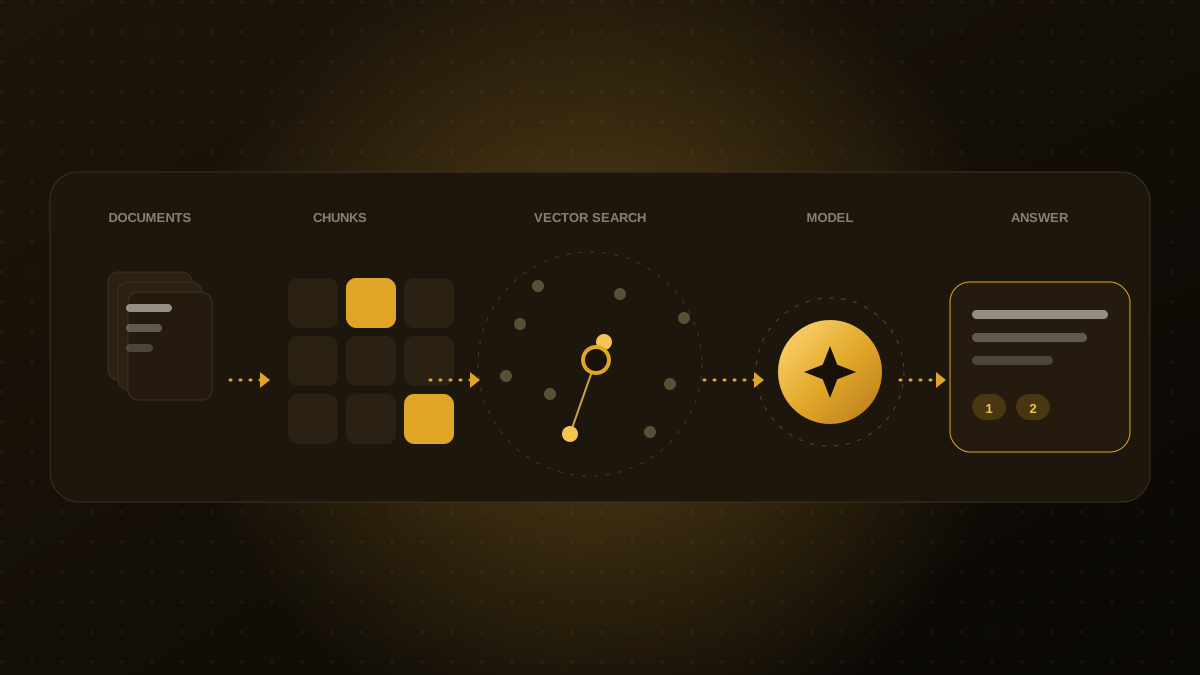
An AI knowledge base is a search and answer layer over your company's information: help articles, policies, product documents, tickets, wikis and files. Staff or customers ask a question in plain language, and the assistant finds the relevant passages and writes an answer that cites them. The technique behind it is retrieval-augmented generation.
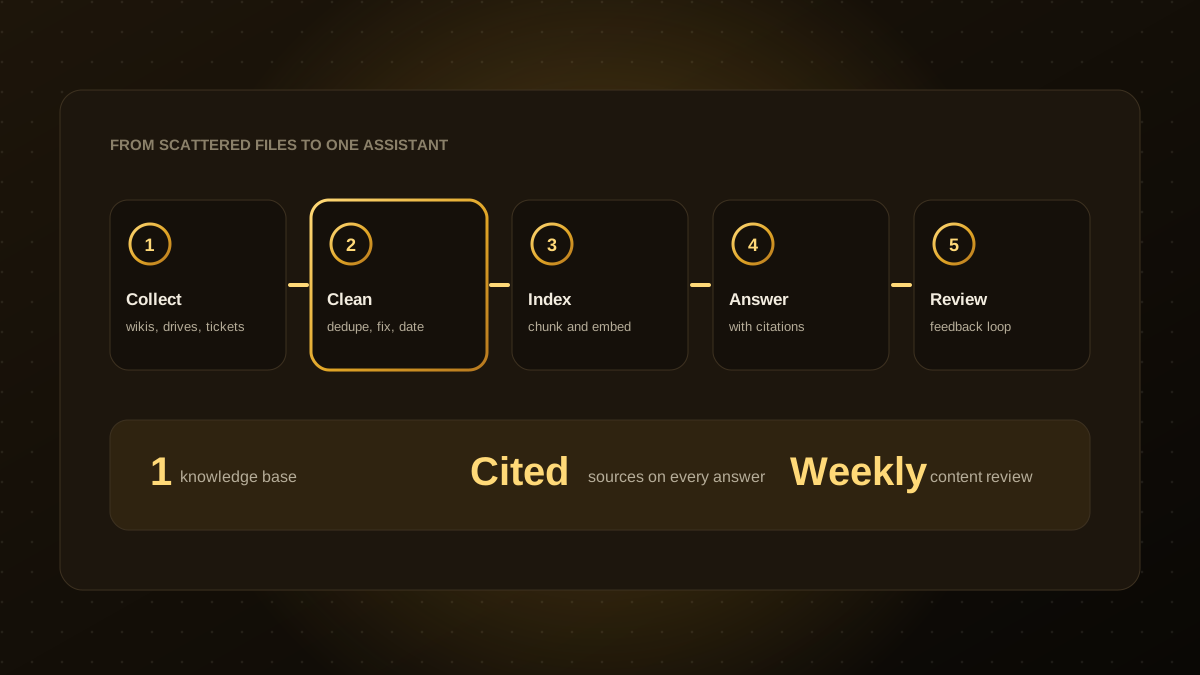
Step 1: pick the first use case
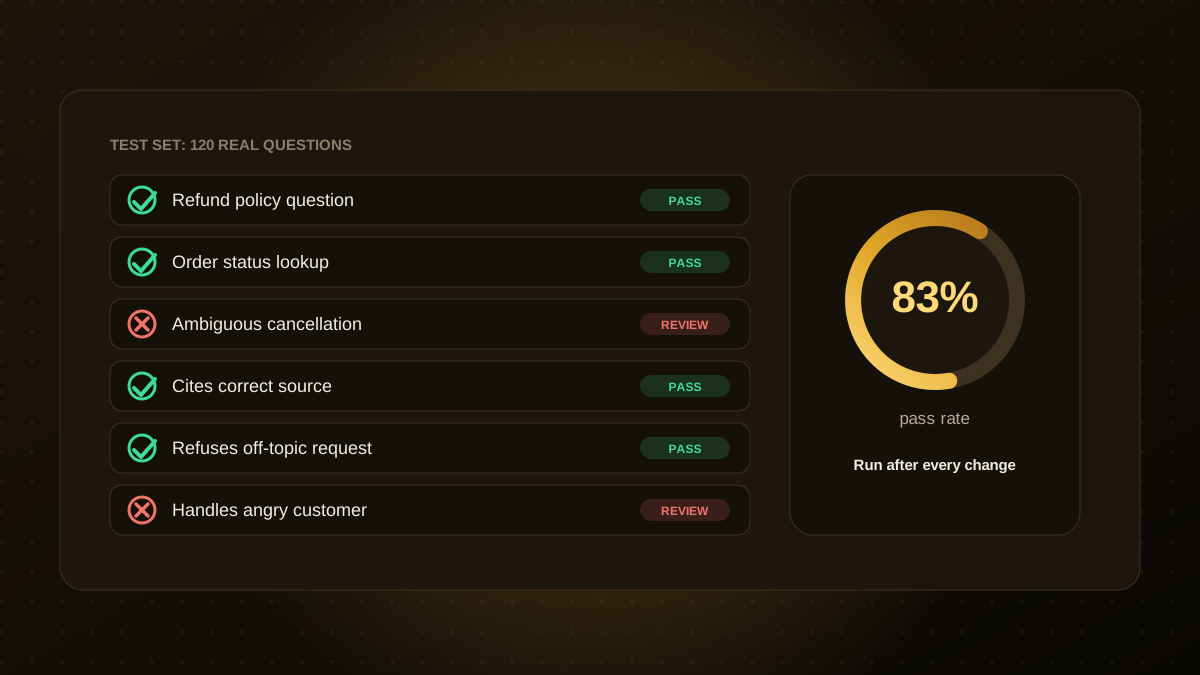
Choose one audience and one body of knowledge, for example support agents using the help centre, or new employees using HR policies. Write down 30 to 50 real questions they ask today. These become both your scope and your first test set.
Step 2: collect and clean the content
- Gather sources from wikis, drives, ticketing systems and PDFs.
- Remove duplicates and outdated versions. If two documents disagree, the assistant will too.
- Add dates and owners so you can tell what is current and who fixes it.
- Fix the gaps. Questions with no good source document show you what to write next.
- Mark what must stay out, such as confidential HR or legal material.
Step 3: index and connect
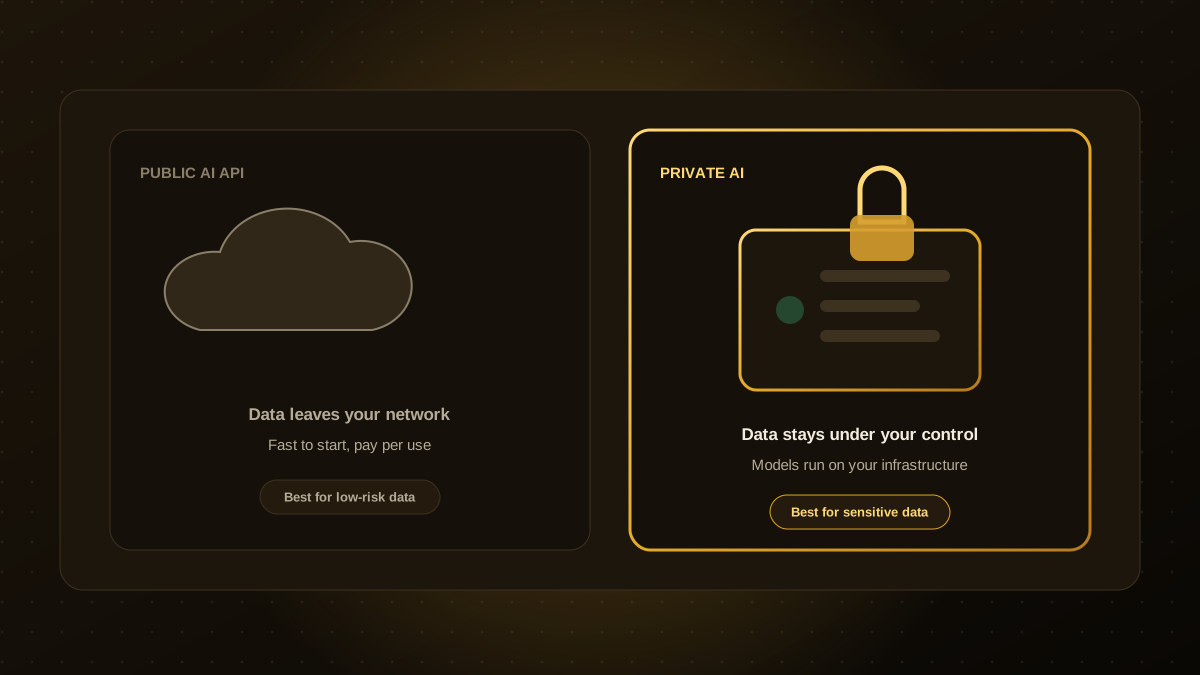
The documents are split into passages, converted into searchable representations and stored in an index, together with metadata such as source, date and who may view them. Combining keyword and meaning-based search usually gives the best results. Decide where this runs, which may be in your own cloud account if the data is sensitive, as discussed in our guide to private AI versus cloud APIs.
Step 4: answer with citations and limits
- Show the source of every answer so people can verify it.
- Tell the assistant to say "I don't know" when the sources do not cover the question.
- Filter results by the user's permissions at retrieval time.
- Offer an easy way to flag a wrong answer.
Step 5: keep it healthy
Measure with your test questions after every change, as explained in our guide to evaluating AI agents. Review flagged answers weekly, fix the underlying documents, and re-index on a schedule or when content changes. A knowledge base is a living product: the teams who own the content should also own its accuracy. If you want help building one, our RAG development team can scope a first release with you.

Qodexify is a remote-first team of senior engineers building web apps, AI agents, workflow automation and websites. Learn more about our RAG development service or talk to an engineer.