Key takeaways
- Generative engine optimization (GEO) is the practice of making your content easy for AI search tools to find, understand and cite.
- It builds on classic SEO rather than replacing it: crawlable pages, clear structure and trustworthy content still matter most.
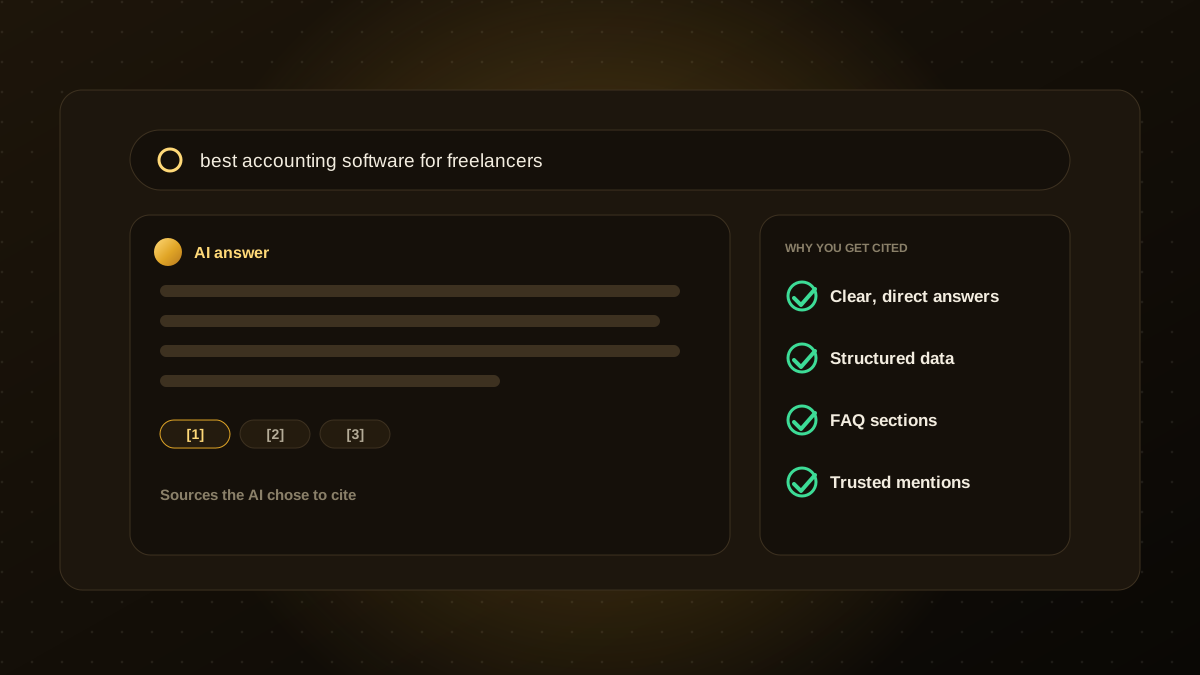
- Direct answers, FAQ sections, structured data and consistent facts about your business make citation more likely.
- No one can guarantee that an AI tool will mention you, so beware of anyone who promises it.
- Check that AI crawlers are not blocked in robots.txt, and track referrals and mentions over time.
What GEO is
More buyers now start with a question typed into an AI assistant or an AI-generated search summary. The AI reads sources across the web and writes an answer, sometimes with links. If your business is a trusted source for that question, you may be mentioned or cited. If not, you are invisible, even if you rank well in the traditional results.
Generative engine optimization, sometimes called AI search optimization or answer engine optimization, is the work of improving your chances of being included. The research behind the term is recent, and the field is changing quickly, so treat any claim of guaranteed results with scepticism.
How it relates to SEO
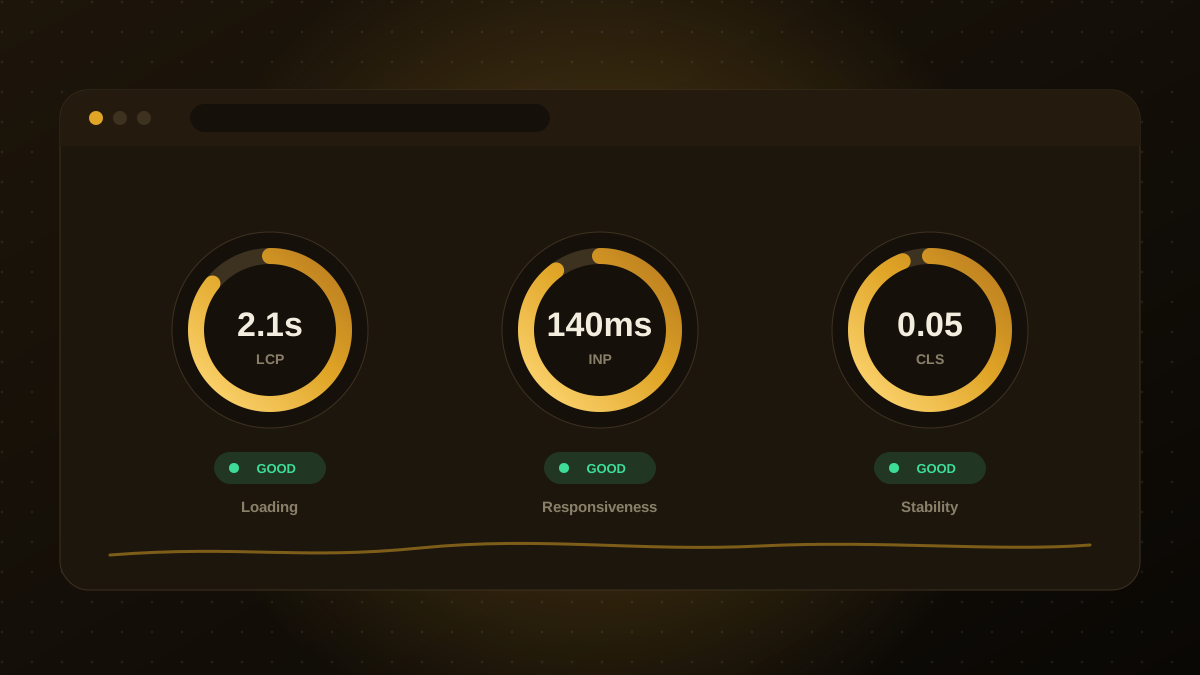
GEO is best understood as an extension of good SEO. AI tools often rely on the same signals search engines use to find and trust pages: crawlability, clear structure, relevant content, reputation and links. If your technical foundations are weak, fix those first. Our Core Web Vitals checklist is a good starting point.
Practical steps that help
- Answer questions directly. Put a short, clear answer near the top of each page, then add detail. This is how this site structures its guides.
- Add FAQ sections written in the way customers actually ask, with honest, specific answers.
- Use structured data. Organisation, service, article and FAQ markup help machines understand who you are and what the page says.
- Be consistent about facts. Your name, services, location and contact details should match across your site and profiles.
- Show real expertise. Name authors, show experience, cite sources and keep content current.
- Earn mentions. Reviews, directory listings, partner pages and press coverage all add to how trusted you look.
- Publish original material. Data, case studies and clear explanations are more likely to be cited than generic summaries.
Make sure AI crawlers can reach you
Check your robots.txt file. Some sites block AI crawlers by accident, through a security tool or a blanket rule. Decide deliberately which bots you allow. Some sites also publish an llms.txt file that summarises their key pages for AI tools, though support among AI products varies. It is cheap to add and harmless to try.
How to measure it
Measurement is still imperfect. Practical approaches include asking the major AI assistants your customers' typical questions each month and recording whether you appear, checking analytics for referrals from AI tools, and watching branded search and direct visits. Keep a simple log and look for trends rather than single results.
What to avoid
- Stuffing pages with keywords or AI-generated filler. It adds noise and weakens trust.
- Publishing claims you cannot support. AI tools and readers both reward accuracy.
- Neglecting the basics, such as speed, mobile usability and a clear site structure.
If you would like your site reviewed for both search engines and AI search, our website development team builds sites with this structure from the start.

Qodexify is a remote-first team of senior engineers building web apps, AI agents, workflow automation and websites. Learn more about our website development service or talk to an engineer.