
Industry
SaaS & Startup Engineering.
A senior engineering partner for founders: launch your MVP, add AI features and billing, and build a foundation that scales without a rewrite.
How does Qodexify work with SaaS founders?
Startups need to learn fast and spend carefully. Qodexify builds SaaS MVPs, adds AI features, implements subscription billing and usage metering, hardens prototypes for production and provides ongoing engineering capacity. We also build and run our own SaaS product, AvrioBooks, so we know the path from idea to paying customers. An MVP takes 8–12 weeks; an AI feature takes 3–6 weeks.
What’s included
How we help founders
MVP in 8 to 12 weeks
A focused product around one core job, with accounts, billing and admin.
AI features
Assistants, search and automation added with validation, guardrails and cost control.
Billing and metering
Plans, trials, usage-based pricing and invoicing built correctly from the start.
Security and reliability
Authentication, permissions, backups and monitoring that investors and customers expect.
Prototype to production
Review and harden AI-generated or hurried prototypes so they can carry real customers.
Flexible engineering capacity
Retainer-based senior engineers who join your roadmap without long hiring cycles.
Our approach
How a project runs
Scope the bet
We define one user, one job and the measures that show it works.
Build the core
We deliver working software in weekly demos.
Launch and learn
Real users, analytics and a short list of improvements.
Scale carefully
Add features, AI and integrations as demand proves out.
Use cases
What startups ask us for
Common projects where this delivers the fastest return.
First product build
From idea to a paid pilot with a small, senior team.
AI-powered features
Add assistants and automation your competitors do not have yet.
Billing, pricing and usage metering
Make pricing flexible, including for AI costs.
Production-ready rewrites
Turn a fast prototype into a maintainable product.
Security and due diligence readiness
Close the gaps customers and investors ask about.
Extended engineering team
Capacity for a defined roadmap, with clear scope and reporting.
Cost & timeline
Typical projects, timelines and budgets
Indicative ranges for projects of this kind. Pricing depends on scope, integrations and compliance needs. Retainer options are described on our engagement models page.
| Project type | Typical timeline | Typical budget |
|---|---|---|
| SaaS MVP | 8–12 weeks | $25k–$60k |
| AI feature integration | 3–6 weeks | $10k–$30k |
| Billing and usage metering | 3–6 weeks | $8k–$20k |
FAQ
Frequently asked questions
Do you take equity or only cash?
We work on cash terms through fixed-price projects or retainers.
Can you work with our in-house developers?
Yes. We can pair with a founder or small team and hand over documentation and code.
We built a prototype with AI tools. Can you use it?
Often yes. We assess it, decide whether to harden or rebuild the foundations and keep what works. See our vibe coding versus production guide.
How do you keep early-stage costs under control?
We cut scope ruthlessly, use proven technology and ship in weekly increments so you can stop or change direction early.
Will we own the code?
Yes, fully, with documentation and infrastructure access.
Can you help with pricing strategy?
Yes. We advise on plan structure and implement usage-based or hybrid pricing, particularly for AI features.
From the blog
Guides on this topic
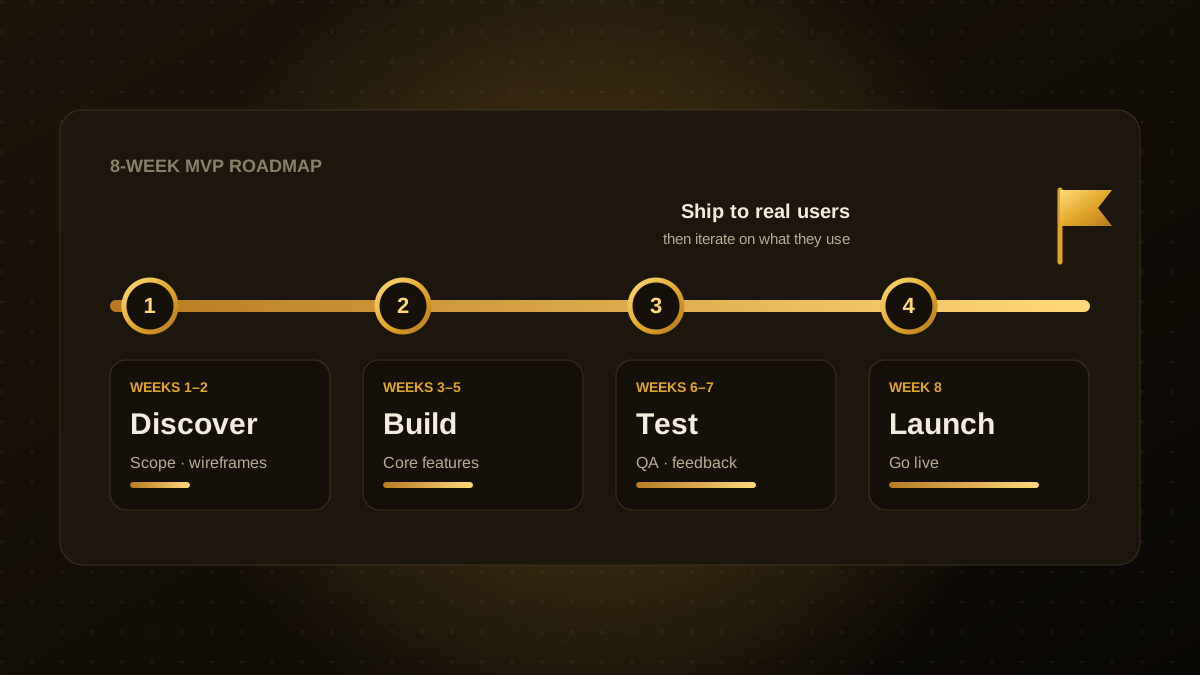
How to Build an MVP in 8 Weeks: A Step-by-Step Plan
A week-by-week plan for building a minimum viable product in eight weeks: how to scope, what to cut, how to test with real users and launch without burning budget.
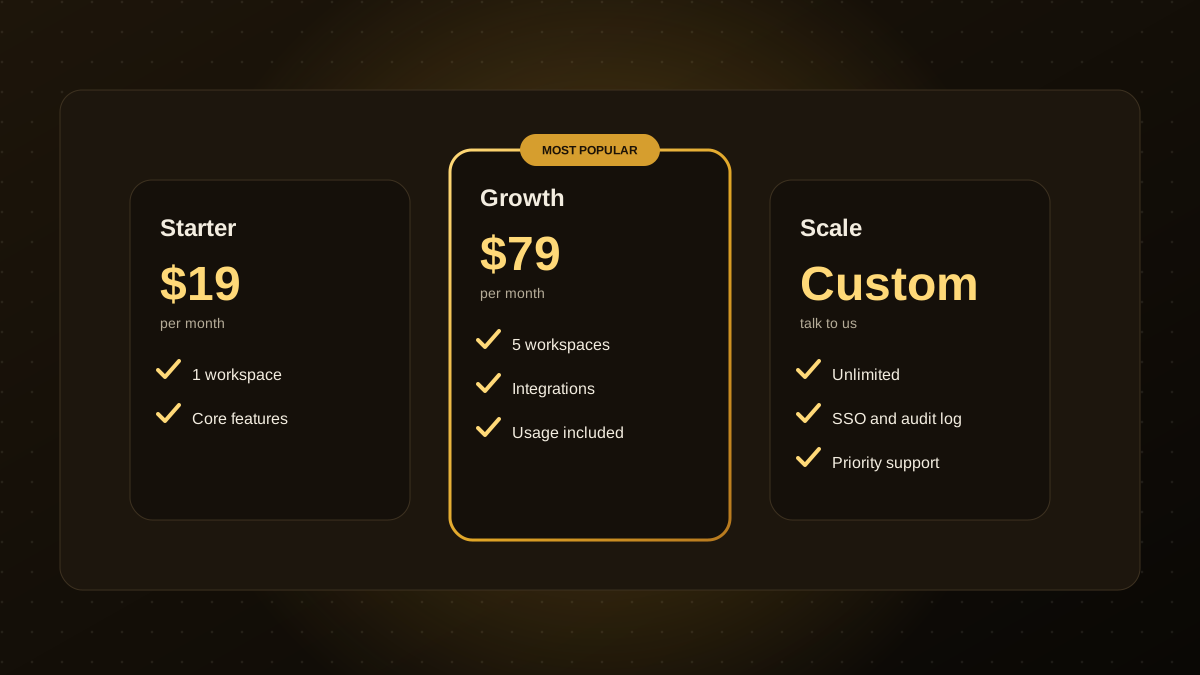
SaaS Pricing Models: Subscription, Usage-Based or Hybrid?
Pricing shapes your whole SaaS business. Compare flat subscriptions, per-seat, usage-based and hybrid models, with guidance on choosing one, especially for AI-powered products.
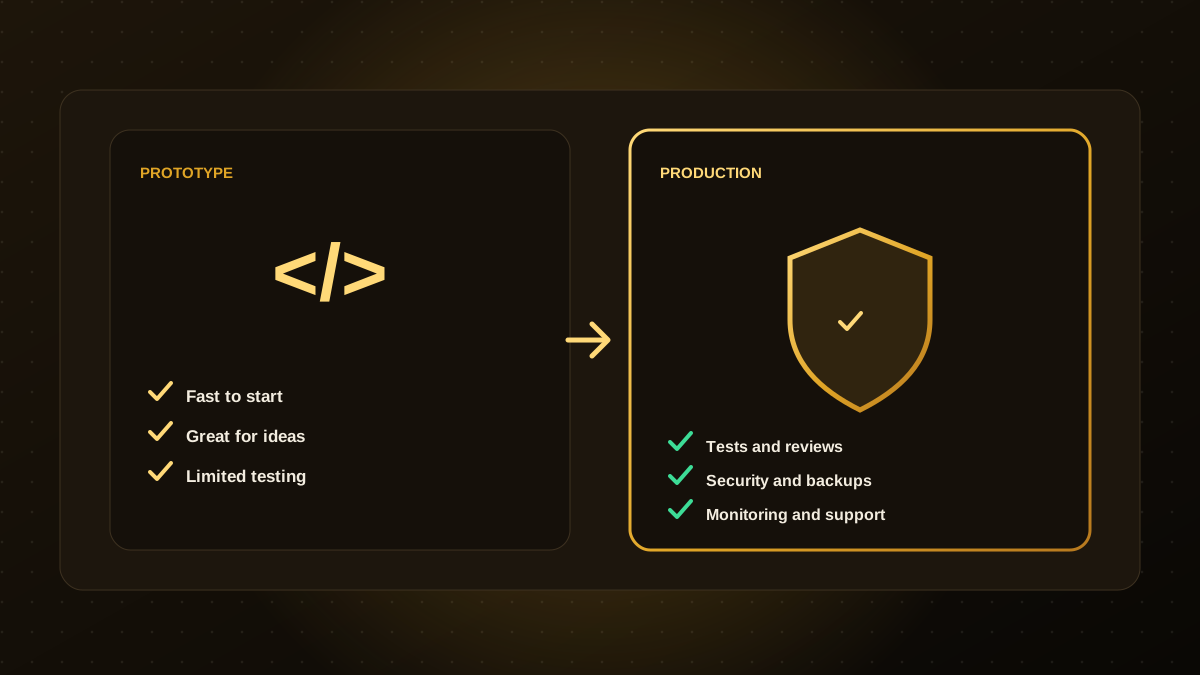
Vibe Coding vs. Production Software: What Founders Need to Know
AI coding tools can turn an idea into a working prototype in a weekend. Here is what that prototype is good for, where it breaks and how to turn it into software you can rely on.