Key takeaways
- A small language model is an AI model with far fewer parameters than the largest systems, often small enough to run on a laptop, phone or a single modest server.
- They are well suited to focused, repeated tasks such as classification, extraction, routing and short drafting.
- They are usually cheaper and faster per request and easier to run privately, but weaker on open-ended reasoning.
- A common pattern is to use a small model by default and escalate hard cases to a larger one.
- Always test on your own data before choosing. Benchmarks rarely match your use case.
What 'small' means
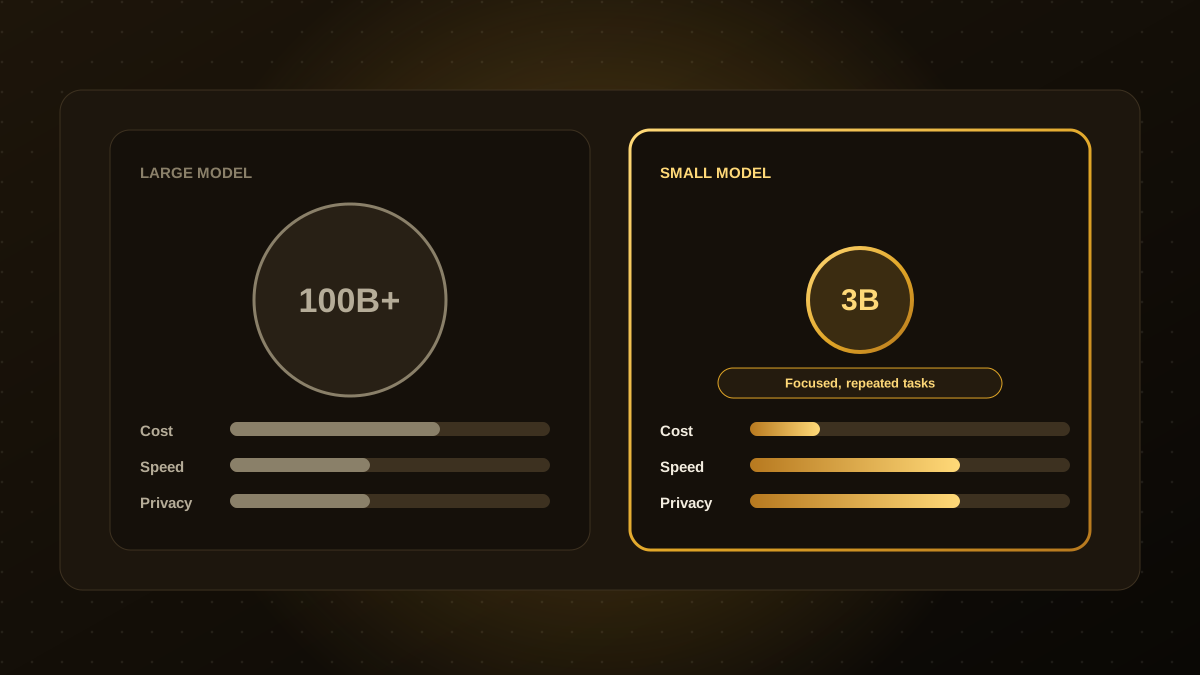
The headline-grabbing AI systems have hundreds of billions of parameters and run in large data centres. Small language models have far fewer, from a few hundred million to a few billion, and can run on ordinary hardware. They are not toys: for narrow tasks, a well-chosen small model, sometimes tuned on your own examples, can perform very well.
Where they shine
- Classification and routing. Sorting emails, tickets or leads into categories.
- Extraction. Pulling names, dates, amounts and fields out of text, invoices or forms.
- Short, structured outputs such as tags, summaries and templated replies.
- On-device and offline use. Features that must work without a connection or keep data on the device.
- High-volume, repetitive tasks where per-request cost matters.
Where larger models still win
Complex reasoning, long documents, ambiguous instructions, creative writing at high quality and tasks that need broad world knowledge generally favour larger models. If a task requires judgement across many steps, start with a stronger model, prove the value and only then try to move parts of it to something smaller.
Why consider them
| Factor | Small model | Large model |
|---|---|---|
| Cost per request | Low | Higher |
| Speed | Fast, low latency | Slower |
| Privacy and control | Easier to run in your own environment | Usually via a provider's API |
| Open-ended reasoning | Limited | Strong |
| Effort to run yourself | Moderate | High |
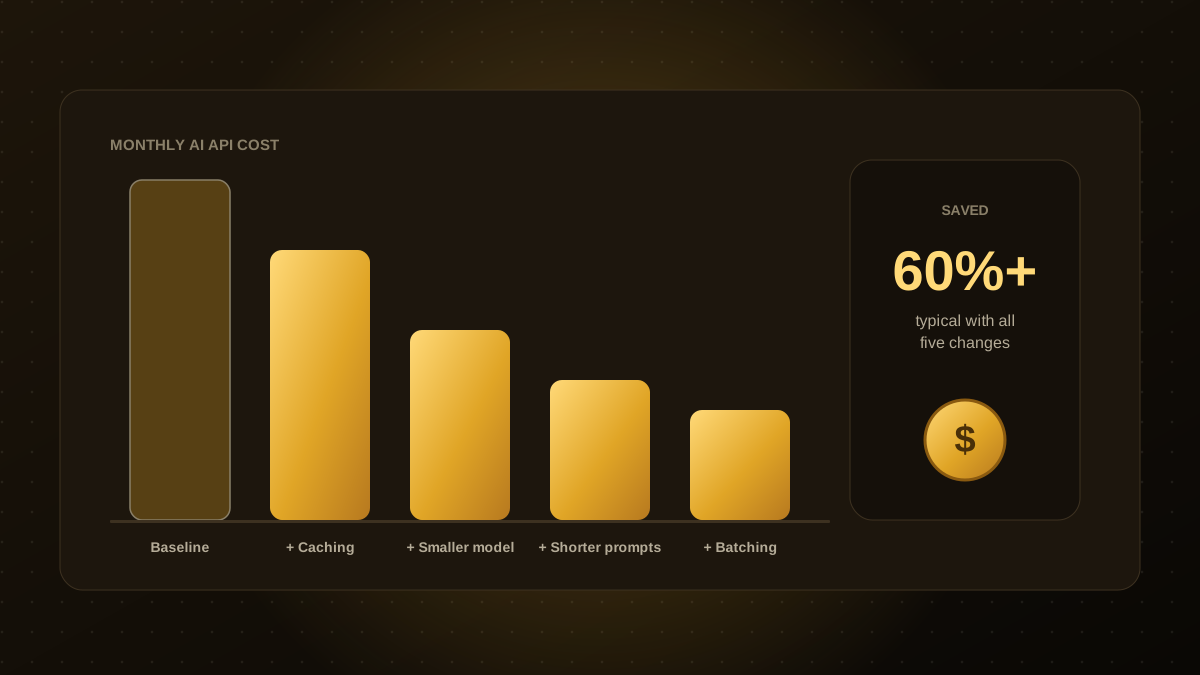
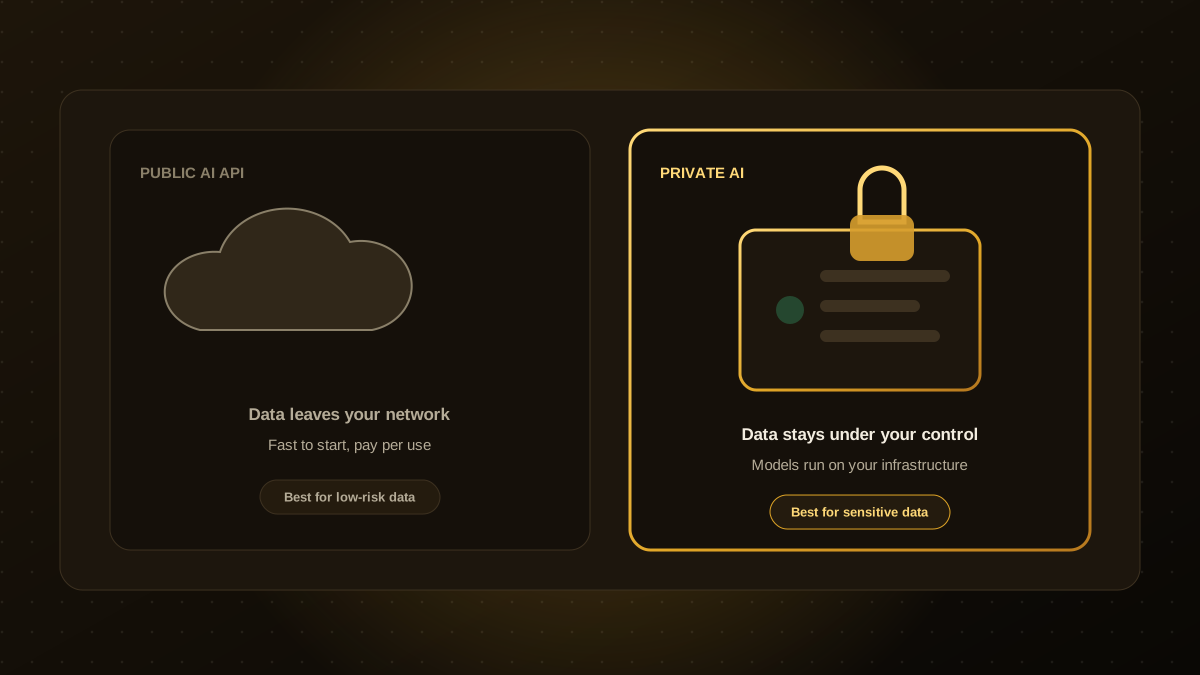
These factors tie into our guides on reducing LLM API costs and private AI versus cloud APIs.
A practical way to use them
- Prototype with a strong model to prove the workflow works.
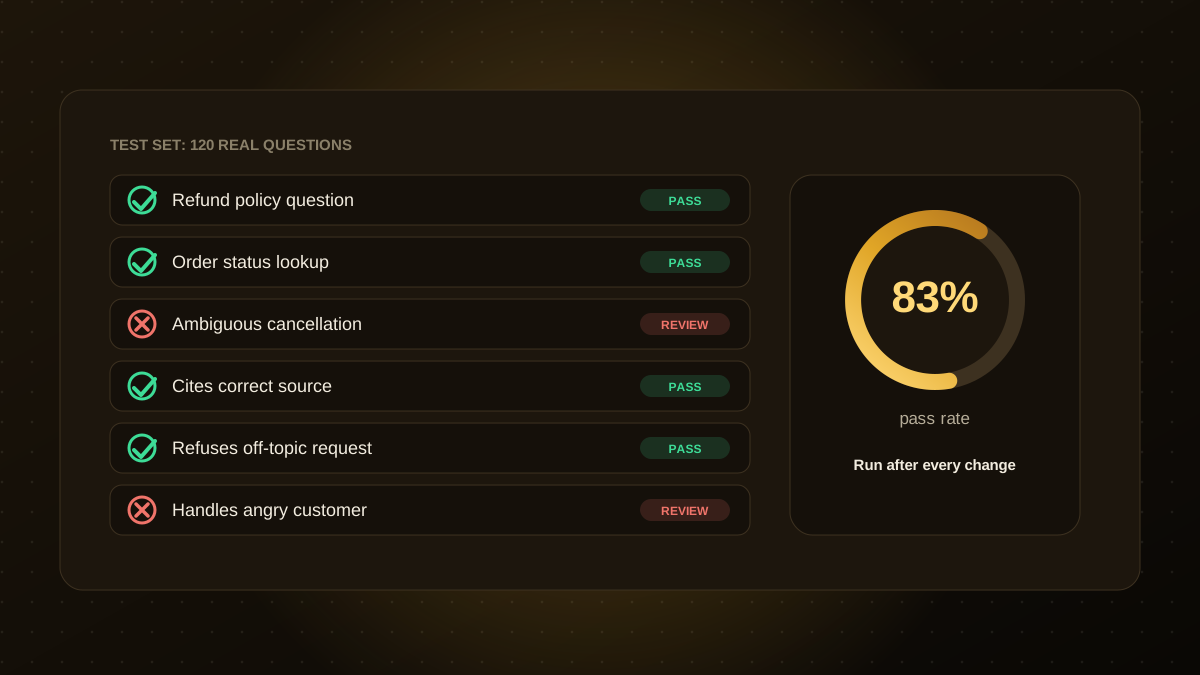
- Build a test set from real examples, as described in our guide to evaluating AI agents.
- Try smaller models on the same test set and compare quality, cost and speed.
- Use a router. Send routine cases to the small model and escalate low-confidence or complex ones to a larger model.
- Consider tuning a small model on your own labelled examples for a narrow, stable task.
- Keep monitoring. Re-run the test set after every model or prompt change.
If you are unsure which size fits each step of your workflow, our AI agent development team can benchmark options on your data.

Qodexify is a remote-first team of senior engineers building web apps, AI agents, workflow automation and websites. Learn more about our AI agent development service or talk to an engineer.